
Cancer and its treatment can affect much more than a person’s physical health.
Pain, fatigue, changes in appetite, emotional distress, uncertainty and concerns about family, work or the future can all affect a person’s quality of life.
At Mount Miriam Cancer Hospital, palliative care supports cancer patients throughout their care by helping to relieve symptoms, address distress and support their physical, emotional, social and spiritual wellbeing.
Palliative care does not necessarily mean that cancer treatment has stopped. It can be provided alongside cancer treatment, according to the needs of the individual patient.
What is Palliative Care?
Palliative care is an approach to care that focuses on comfort, quality of life and the needs of the person as a whole.
For someone living with cancer, this may include managing pain and other physical symptoms, providing emotional and social support, addressing spiritual concerns and supporting family members and caregivers.
Palliative care can become part of a patient’s care at different stages of the cancer journey.
Some people may benefit from palliative support soon after diagnosis, while others may need greater support as their illness or treatment progresses.
The care provided is guided by the needs of the individual rather than by a particular stage of cancer.
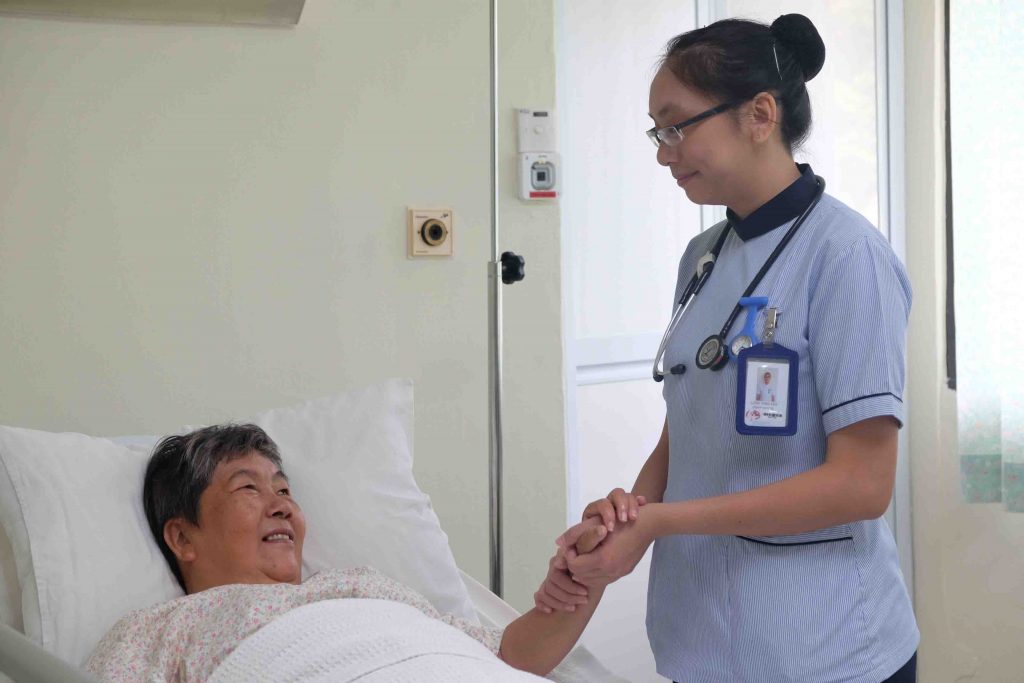
Palliative Care Can Be Provided Alongside Cancer Treatment
One of the common misconceptions about palliative care is that it is only provided when cancer treatment has ended.
This is not necessarily the case.
A patient may receive palliative care while continuing treatments such as chemotherapy or radiotherapy, depending on their condition and treatment plan.
While the cancer treatment addresses the disease, palliative care can help manage symptoms, side effects and other concerns that may affect the person’s wellbeing.
The aim is to help patients remain as comfortable as possible and maintain their quality of life throughout their care.
Caring for the Whole Person
Cancer can affect different parts of a person’s life at the same time.
At Mount Miriam, palliative care recognises these different dimensions of wellbeing and adopts a holistic approach. The total pain faced by a patient is made up of physical, psychological, spiritual, and social discomfort, and palliative care seeks to alleviate those struggles.
Physical
Cancer patients may experience physical symptoms such as pain, fatigue, loss of appetite, nausea, vomiting, shortness of breath, and insomnia. Early identification of the issues and prompt intervention can help to relieve these issues to improve the quality of life of patients.
Psychological
Being diagnosed with cancer may be a stressful journey. Depression, anxiety, and fear are common psychological issues faced by patients and their family. Emotional support helps patients and family members go through this predicament with a positive and peaceful mind.
Spiritual
With a cancer diagnosis, patients and families often look more deeply for meaning in their lives. Fear of the unknown may bring patients closer to their faith or spiritual beliefs, whereas others might struggle to understand why cancer happened to them. Our Clinical Pastoral Care is equipped to help patients in this journey to find a sense of peace and reach a point of acceptance that is appropriate for their situation.
Social
Cancer also substantially changes patients’ daily lives in terms of their social life, family life, relationships with people around them, work, income, and leisure activities. Patients might suffer from low self-esteem, and depression and eventually withdraw themselves from their social circle. We recognize the need for support in these areas to maintain a good quality of life for cancer patients.
When Should Palliative Care Begin?
There is no single point at which every cancer patient should begin palliative care.
Support can be introduced whenever symptoms, treatment effects or other concerns begin to affect a patient’s comfort or quality of life.
This may be:
- following a cancer diagnosis;
- during chemotherapy or radiotherapy;
- while managing symptoms or treatment side effects;
- when cancer has become more advanced; or
- when the goals and priorities of care begin to change.
Patients do not need to wait until the final stages of illness before discussing palliative care with their healthcare team.
Palliative Care at Mount Miriam
Mount Miriam Cancer Hospital is a specialist cancer hospital in Penang, and palliative care forms part of our broader approach to caring for people affected by cancer. Our clinical team works together to understand the needs of each patient and provide appropriate support alongside their cancer care.
At Mount Miriam, Palliative Care is initiated upon diagnosis of the disease and integrated alongside curative treatments. Individuals undergoing cancer treatment alongside Palliative Care often experience milder symptoms, enjoy improved quality of life, and express greater satisfaction with their treatment.
The Difference Between Palliative Care and Hospice Care
Palliative care and hospice care share an important goal: helping people remain as comfortable as possible while supporting their dignity and quality of life. However, they are not the same.
Palliative Care
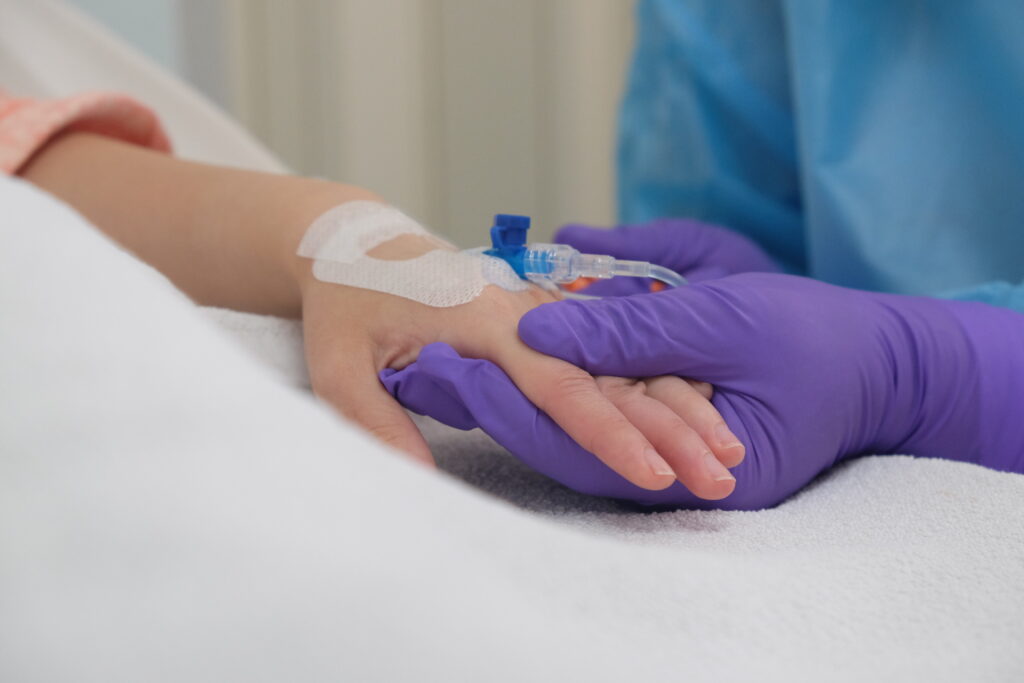
Palliative care can be provided at different stages of cancer and alongside active cancer treatment.
Its focus is on relieving symptoms and distress and supporting the patient’s physical, emotional, social and spiritual wellbeing.
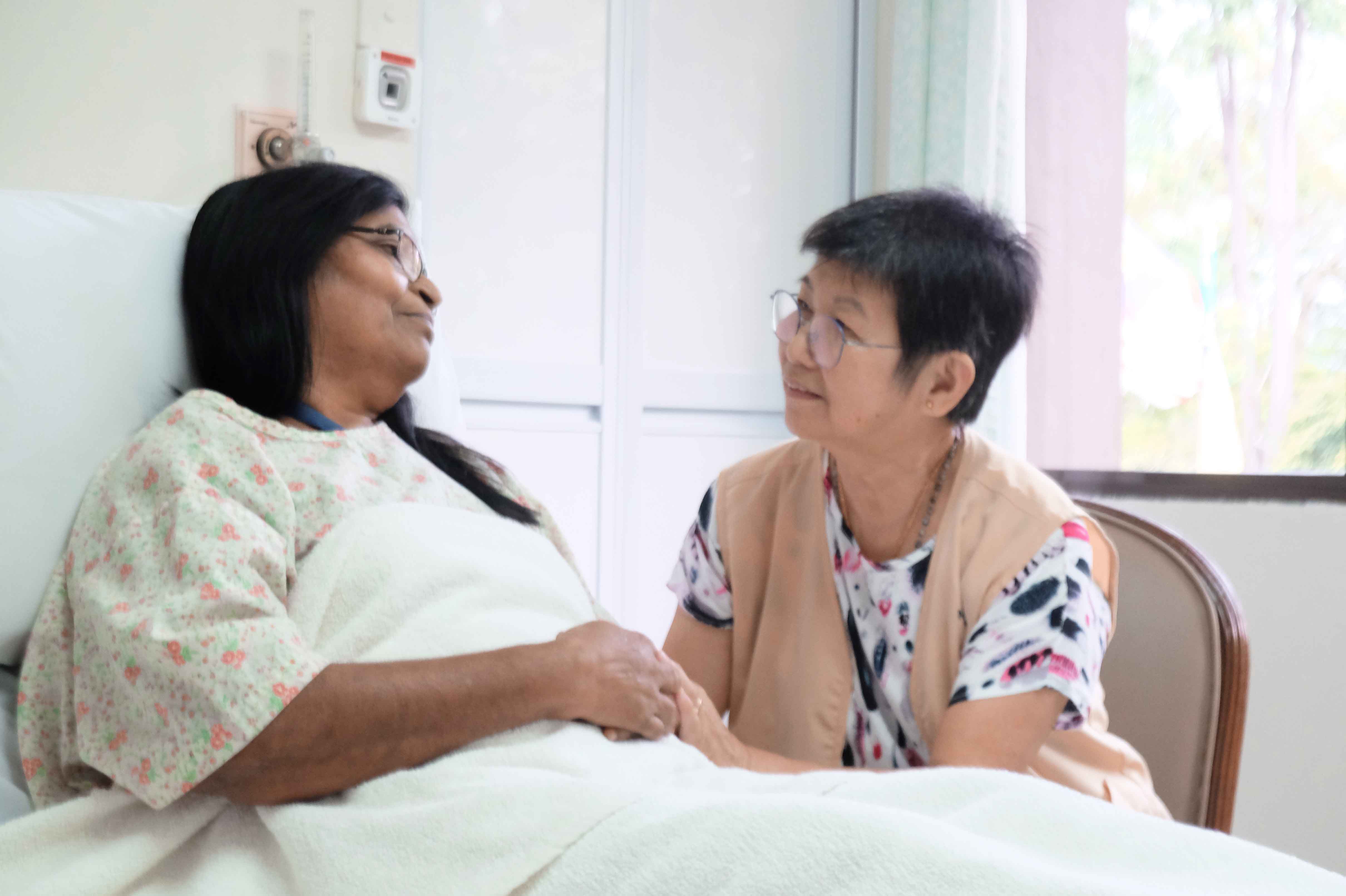
Hospice Care
Hospice care becomes appropriate when the focus shifts from active treatment towards comfort, dignity and supportive care.
Mount Miriam provides fully funded inpatient hospice care specifically for cancer patients.
Frequently Asked Questions
Is palliative care only for people who are approaching the end of life?
No.
Palliative care can be provided at different stages of cancer and may be introduced alongside cancer treatment. Its purpose is to help manage symptoms and other concerns that affect a person’s comfort and quality of life.
Can I continue chemotherapy or radiotherapy while receiving palliative care?
Yes, where clinically appropriate.
Palliative care may be integrated alongside cancer treatment such as chemotherapy or radiotherapy according to the patient’s condition and treatment plan.
Does receiving palliative care mean my cancer treatment is stopping?
Not necessarily.
Receiving palliative care does not in itself mean that active cancer treatment has stopped. Palliative care and cancer treatment can be provided together.
Are family members supported too?
Yes. Palliative care recognises that cancer also affects family members and caregivers. Support and guidance may be provided to those accompanying the patient throughout their care.
Can I seek palliative care if I am being treated elsewhere?
Patients who have previously received cancer treatment at another hospital may arrange a consultation at Mount Miriam Cancer Hospital.
Where palliative care is appropriate, our team can review the patient’s condition, existing medical information and current needs before advising on the next steps.
If available, please bring relevant medical reports, investigation results and details of previous or ongoing treatment to the consultation.