
Diagnostic imaging plays an important role throughout cancer care, from investigating abnormalities and supporting diagnosis to treatment planning and monitoring a patient’s condition over time.
Mount Miriam Cancer Hospital provides a range of imaging services to support patients undergoing cancer investigation, treatment and follow-up.
Different imaging examinations provide different types of information. Your doctor or healthcare team will advise you on the examination that is appropriate for your individual needs.
MRI
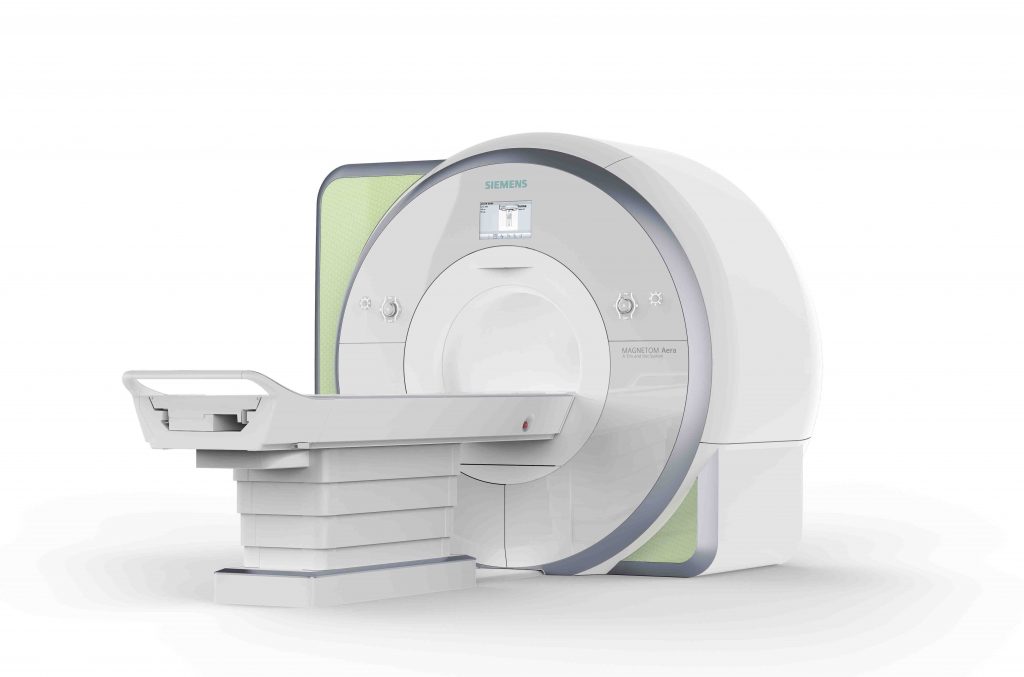
Magnetic Resonance Imaging, or MRI, uses a strong magnetic field, radio waves and computer technology to produce detailed images of structures inside the body.
MRI is particularly useful for examining soft tissues and the nervous system and does not use ionising radiation.
Patients with certain implants, medical devices or metal in the body should inform the healthcare team before undergoing an MRI examination.
CT Scan
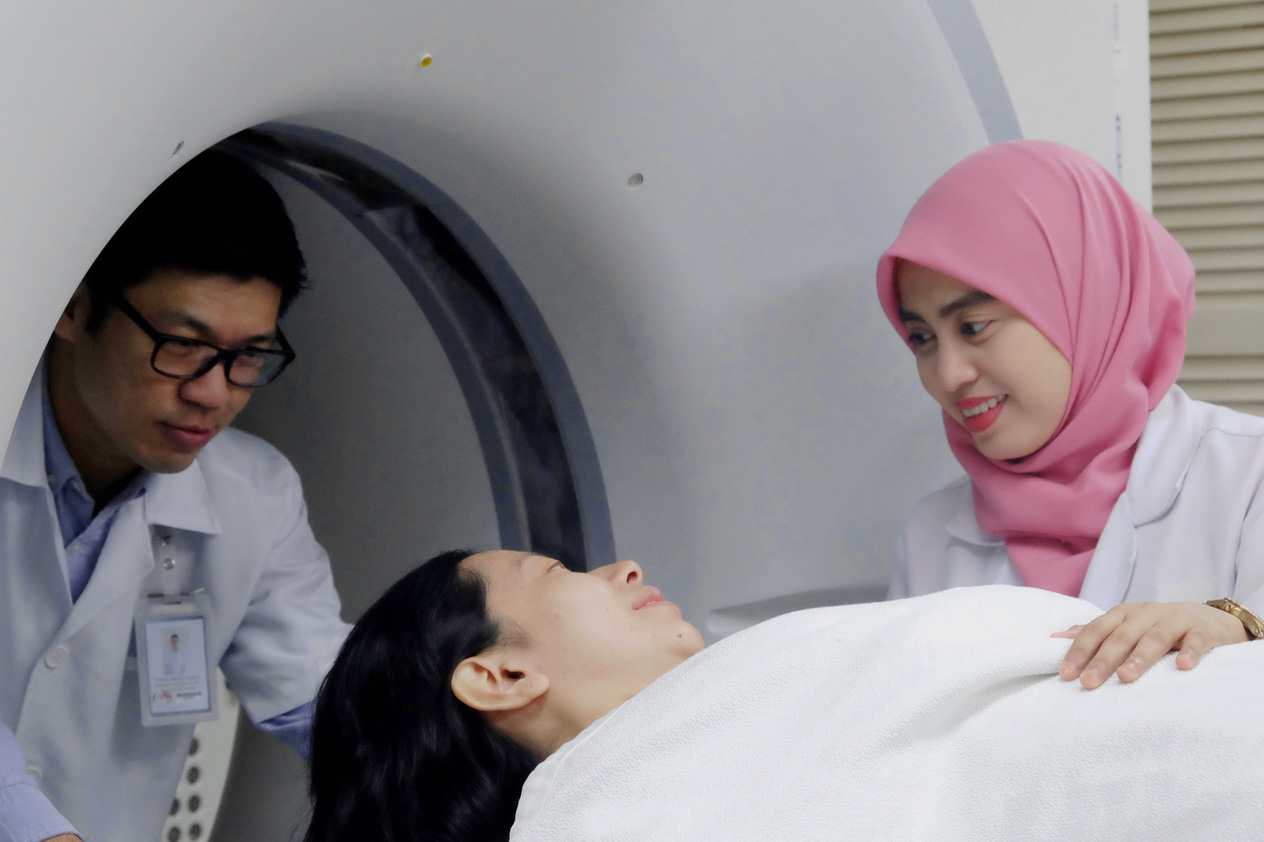
A CT scan uses X-rays and computer processing to create detailed cross-sectional images of the body.
In cancer care, CT imaging can help doctors assess abnormalities, determine the location and extent of a tumour, support treatment planning and monitor changes during or after treatment.
Contrast material may be required for some examinations to make particular structures easier to see.
Mammogram
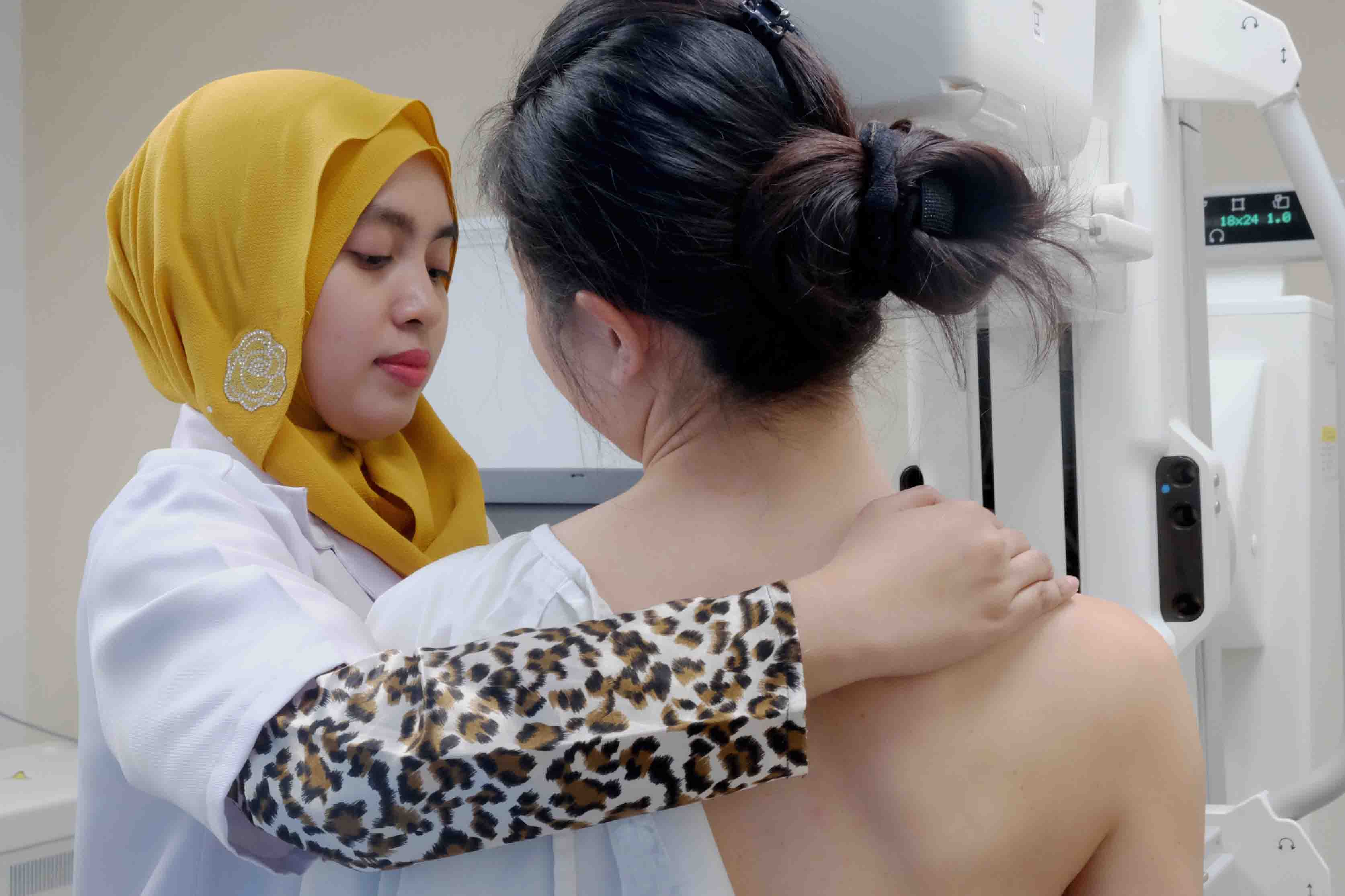
A mammogram is an X-ray examination of the breast used to look for changes or abnormalities that may require further investigation.
Mammography may be performed as part of breast cancer screening in people without symptoms or as a diagnostic examination when a breast lump, change or other concern has been identified.
Mount Miriam also provides mammography as part of selected cancer screening options.
Ultrasound
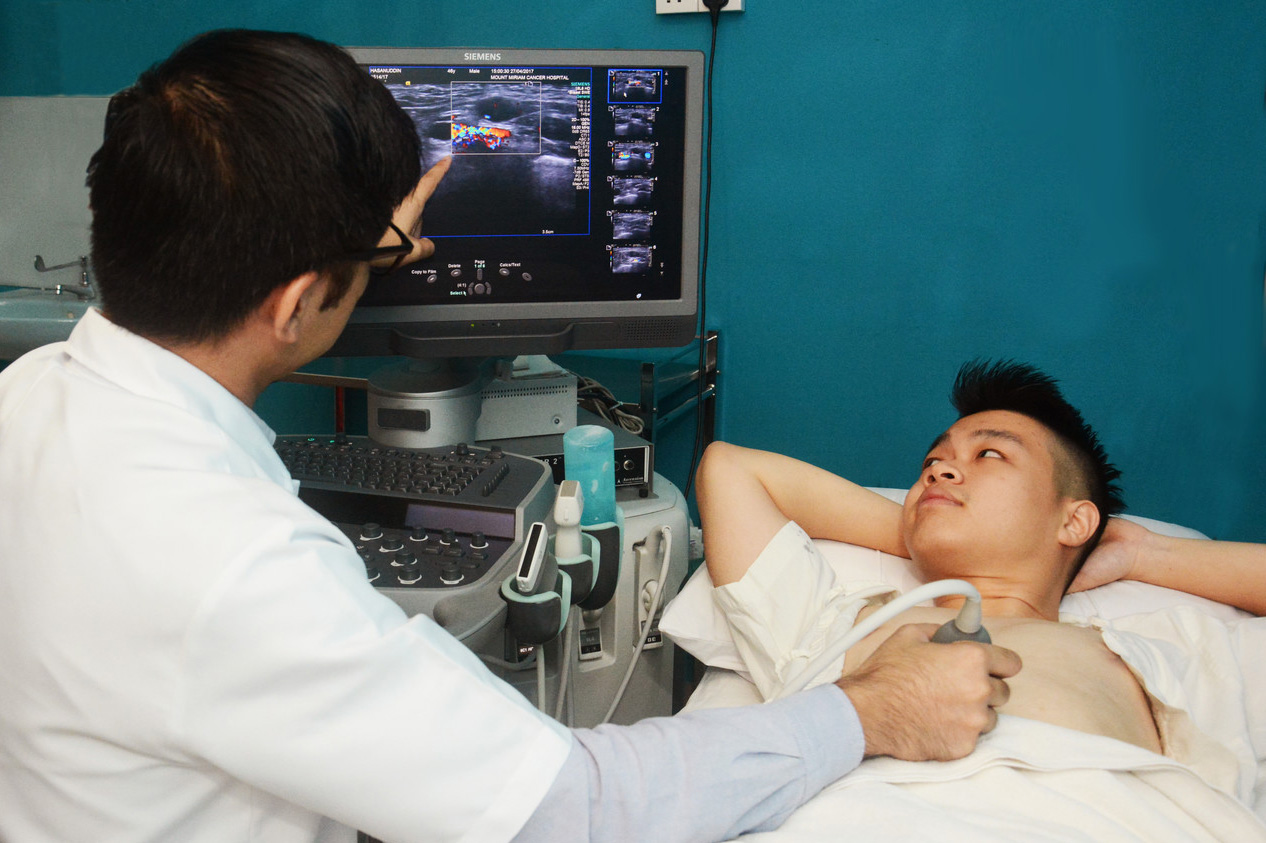
Ultrasound uses high-frequency sound waves to produce real-time images of organs and tissues inside the body.
It can be used to examine certain soft tissues and abnormalities and may also help doctors distinguish between fluid-filled and solid structures.
Ultrasound does not use ionising radiation.
X-Ray
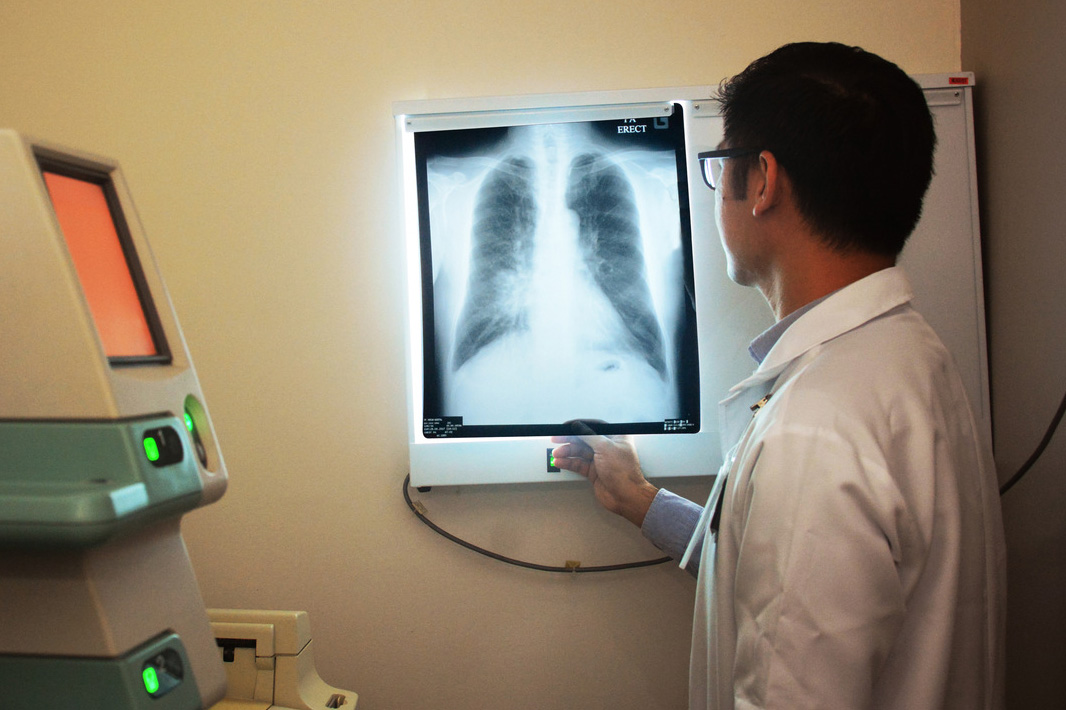
X-ray, or general radiography, uses a small amount of radiation to produce images of structures inside the body.
It is commonly used to examine areas such as the chest and bones and generally requires little preparation.
Patients who are pregnant or think they may be pregnant should inform their doctor or Radiographer before undergoing an X-ray examination.
Which Imaging Test Do I Need?
MRI, CT, ultrasound, mammography and X-ray are designed to provide different types of information. One examination is not necessarily “better” than another, and in some situations more than one type of imaging may be required.
The appropriate examination will depend on what your doctor needs to investigate, assess or monitor.
If an imaging examination has been recommended for you, your healthcare team will explain why it is needed and provide any preparation instructions before your appointment. Preparation varies depending on the examination being performed.
Some examinations require little or no preparation, while others may involve fasting, drinking water, receiving contrast material or removing metal objects and accessories.
Please follow the instructions given by your healthcare team when your examination is arranged. You should also let the team know about any relevant medical conditions, allergies, pregnancy, implanted medical devices or metal implants where applicable.
Diagnostic Imaging in Cancer Care
Imaging can support doctors at different stages of cancer care, including investigating an abnormality, determining the location and extent of disease, planning treatment, monitoring response to treatment and providing information during follow-up.
Imaging results are considered together with other investigations and clinical information when your healthcare team assesses your condition and plans your care.
Diagnostic imaging can also be used to guide certain minimally invasive procedures.
Mount Miriam’s Interventional Radiology service uses imaging such as CT and ultrasound to assist with procedures including image-guided biopsy, percutaneous drainage and venous-port placement.
Considering Cancer Screening?
You do not need to wait until you have symptoms to take an active role in your health.
Mount Miriam Cancer Hospital offers cancer screening packages and selected individual screening tests to help identify possible health concerns earlier. Depending on the screening selected, this may include diagnostic imaging such as mammography together with other appropriate investigations.
Explore our available screening options and find out how to prepare for your visit.