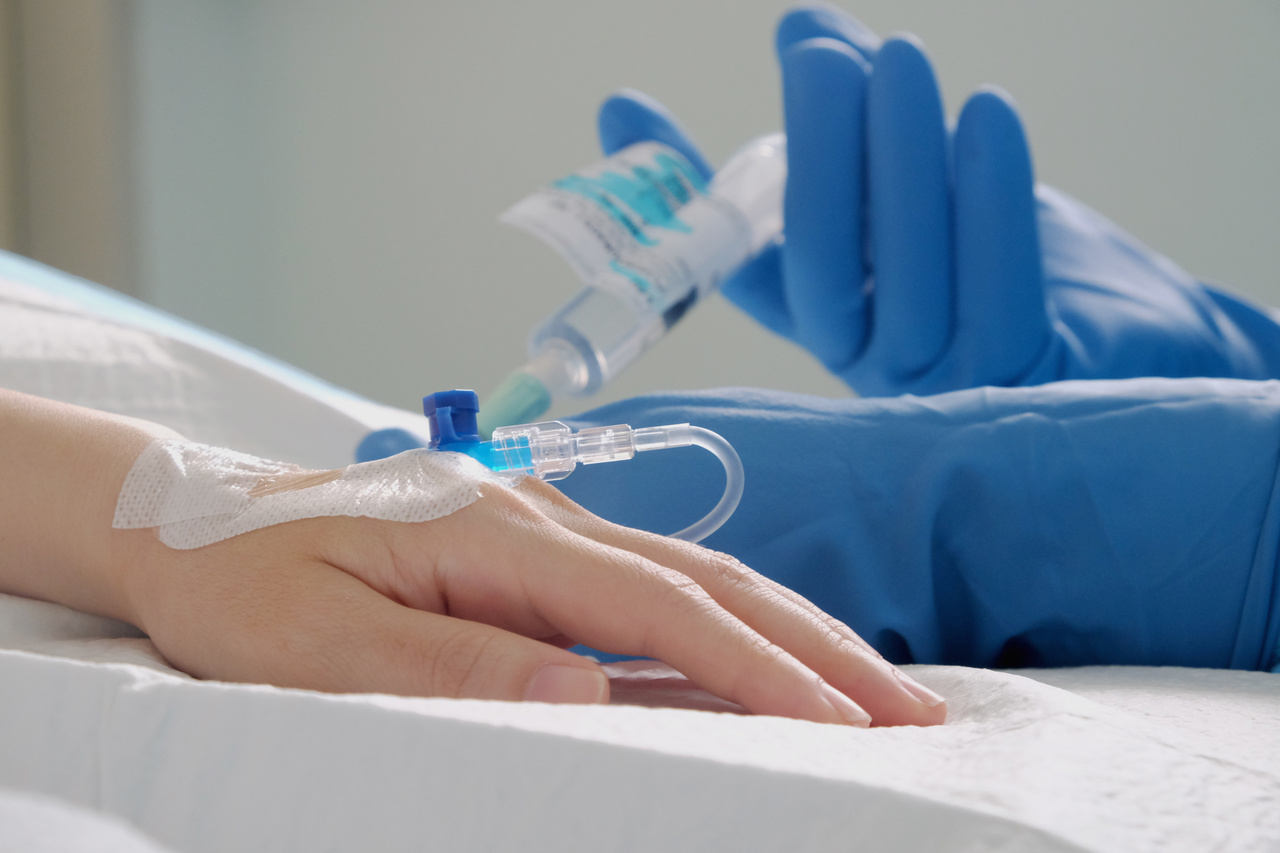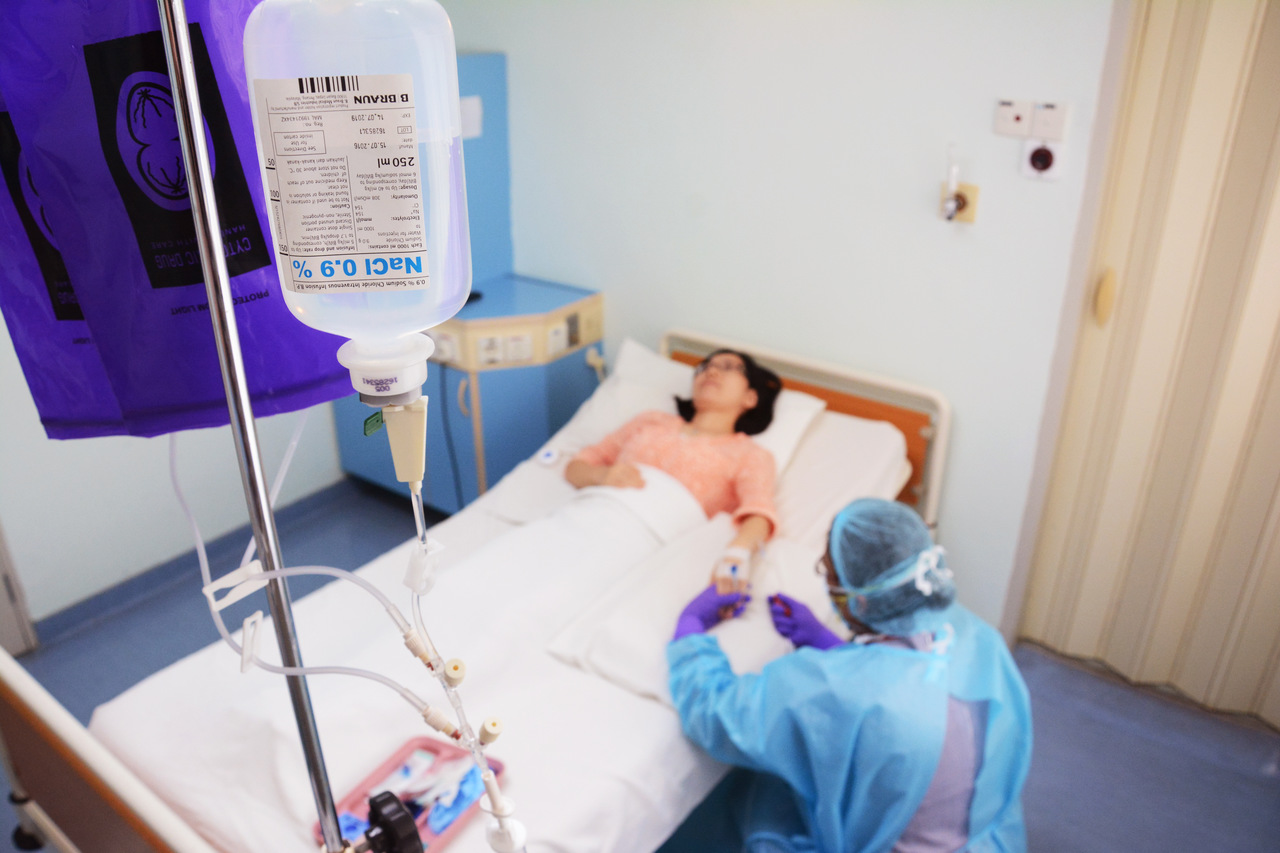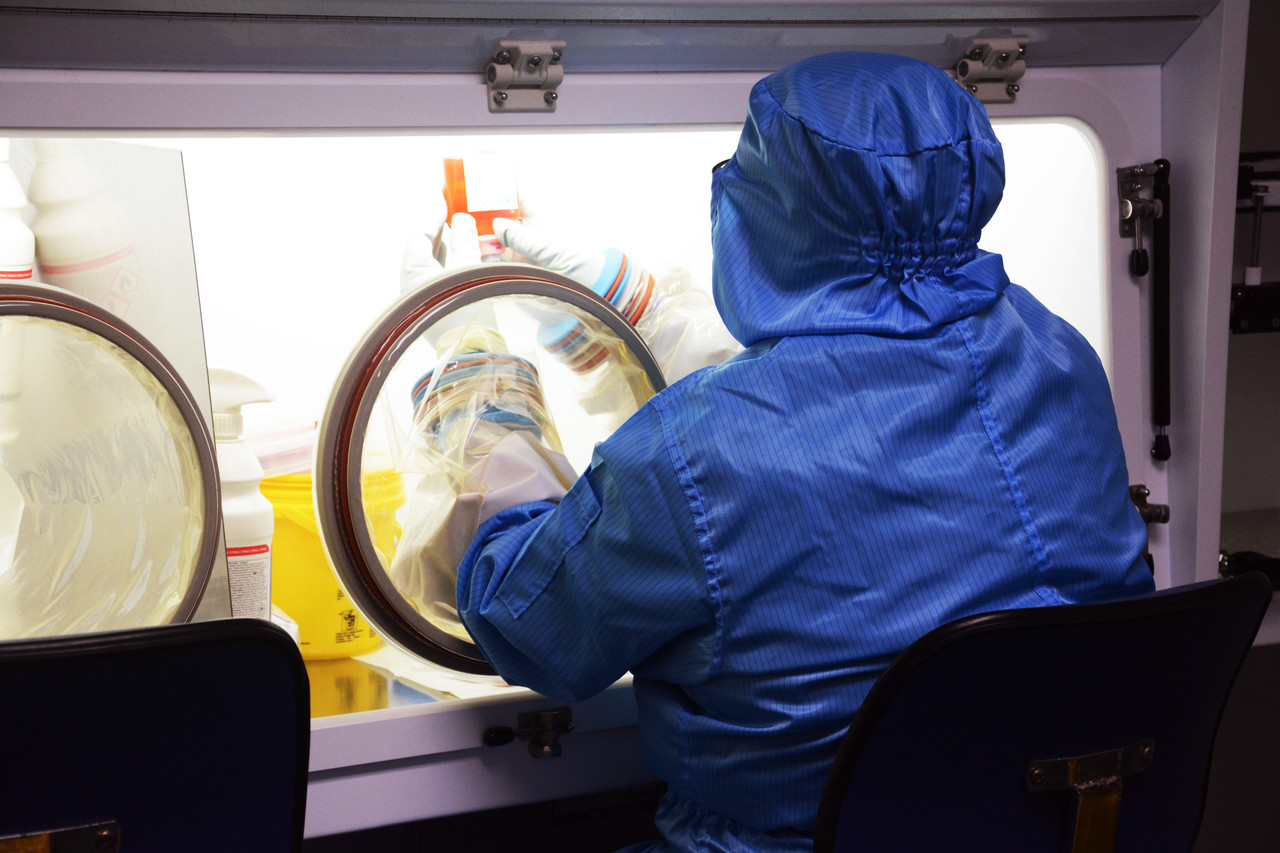


Chemotherapy is a type of cancer treatment that uses drugs to destroy cancer cells
The chemo-drug works by stopping or slowing the growth of cancer cells, which grow quickly. Sometimes, chemotherapy is used as the only cancer treatment. However, more often you will receive chemotherapy along with surgery, radiation therapy, or hormonal therapy.
Why Chemotherapy?
- Makes tumours smaller before surgery or radiation therapy
- Destroys cancer cells that may remain after surgery or radiation therapy
- Helps radiation therapy and hormonal therapy work better
- Destroys cancer cells that have recurred or spread, known as metastatic cancer
How often will I receive Chemotherapy?
Treatment schedules for chemotherapy vary widely. How often and how long you receive chemotherapy depends on:
- Type of cancer and how advanced it is
- The goals of treatment (whether chemotherapy is used to cure cancer, control its growth or ease the symptoms)
- Type of chemotherapy (drug)
- How your body reacts to the chemotherapy
You may receive chemotherapy in cycles. A cycle is a period of chemotherapy treatment followed by a period of rest. For instance, you might receive 1 week of chemotherapy followed by 3 weeks of rest. These 4 weeks make up one cycle. The rest period gives your body a chance to recover and build new healthy cells, and prepare for the next cycle.
What are possible side effects of chemotherapy?
You may experience side effects or none at all depending on the type and amount of chemotherapy you get and how your body reacts to it
Before you start chemotherapy, our Consultant Oncologist or Oncology Nurse will advise you on the side effects.
Some common side effects from chemotherapy are fatigue, nausea, vomiting, decreased blood cell counts, hair loss, mouth sores and pain. How long the side effect last depends on your health and the type of chemotherapy plan or drug you receive.
The key thing to note is that most side effects go away after the treatment cycle is completed