

Radiotherapy is an important form of cancer treatment that uses high-energy radiation to destroy or control cancer cells.
At Mount Miriam Cancer Hospital, different radiotherapy techniques and technologies are available to meet different treatment needs. The approach recommended will depend on factors such as your diagnosis, the location and characteristics of the tumour, previous treatment and your individual condition.
You do not need to know which type of radiotherapy you require before making an appointment. Your clinical oncologist will assess your condition, discuss the available options with you and recommend an appropriate treatment plan.
What Is Radiotherapy?
Radiotherapy works by directing radiation towards cancer cells, damaging their ability to grow and divide.
It may be used on its own or as part of a wider cancer treatment plan. Depending on the individual patient, radiotherapy may be used to treat cancer, reduce the risk of it returning, control its growth or help relieve symptoms.
Radiotherapy can also be planned and delivered in different ways. Some techniques allow the radiation dose to be shaped more closely around the treatment area, while others use imaging to help confirm the position of the target before treatment is delivered.
Your treatment team will determine which approach is appropriate for you.
Radiotherapy Treatments & Technologies at Mount Miriam
3D-Conformal Radiation Therapy Treatment
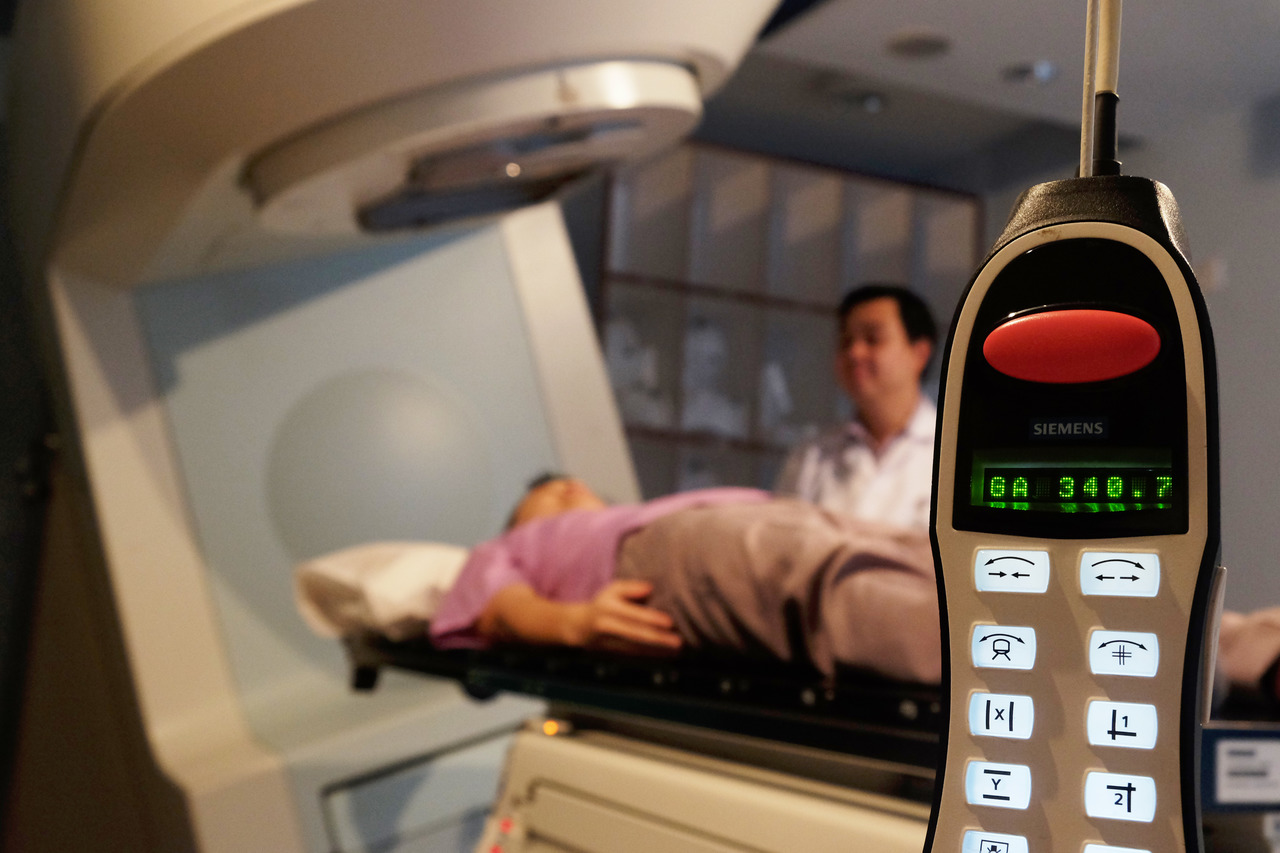
3D Conformal Radiotherapy (3DCRT) uses three-dimensional imaging to help the treatment team understand the shape and location of the treatment area.
This information is used to plan radiation beams that conform to the shape of the target while taking nearby healthy tissues and organs into consideration.
Intensity-Modulated Radiation Therapy (IMRT)
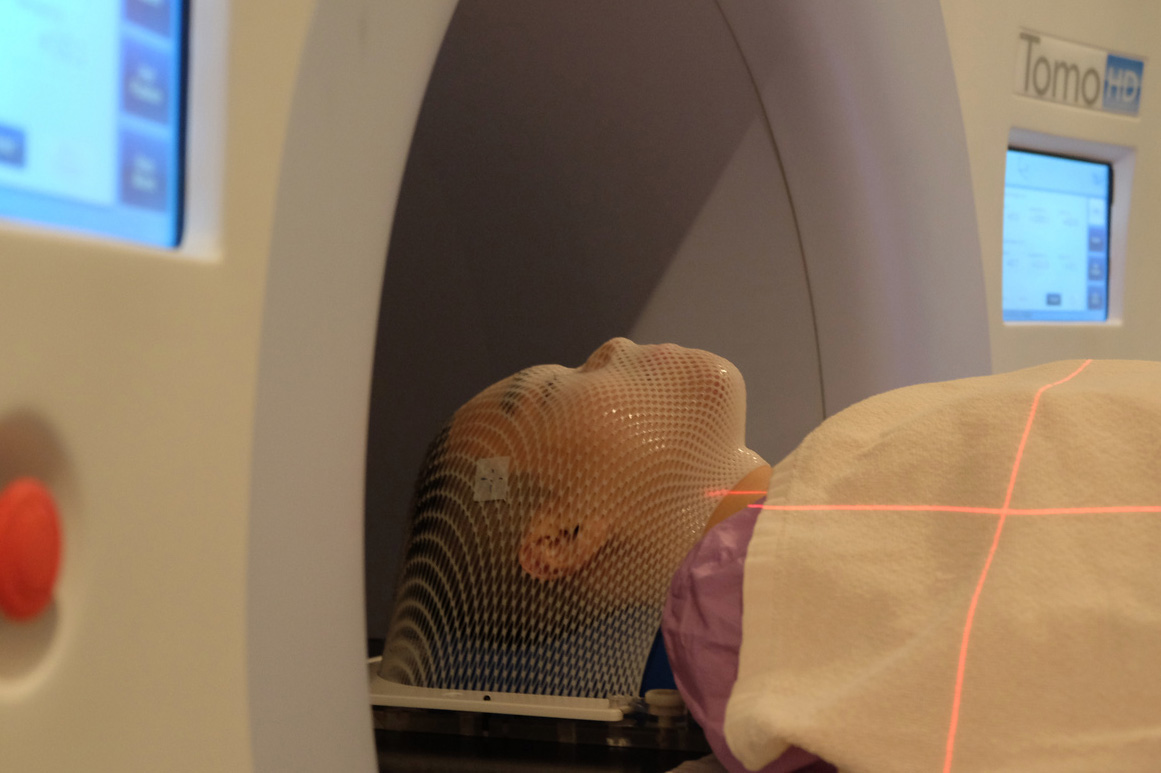
Intensity-Modulated Radiation Therapy (IMRT) is a form of external beam radiotherapy that allows the intensity of radiation beams to be varied across the treatment area.
Computerised treatment planning helps shape the radiation dose around the target while managing the amount of radiation received by surrounding healthy tissues.
Image-Guided Radiation Therapy (IGRT)
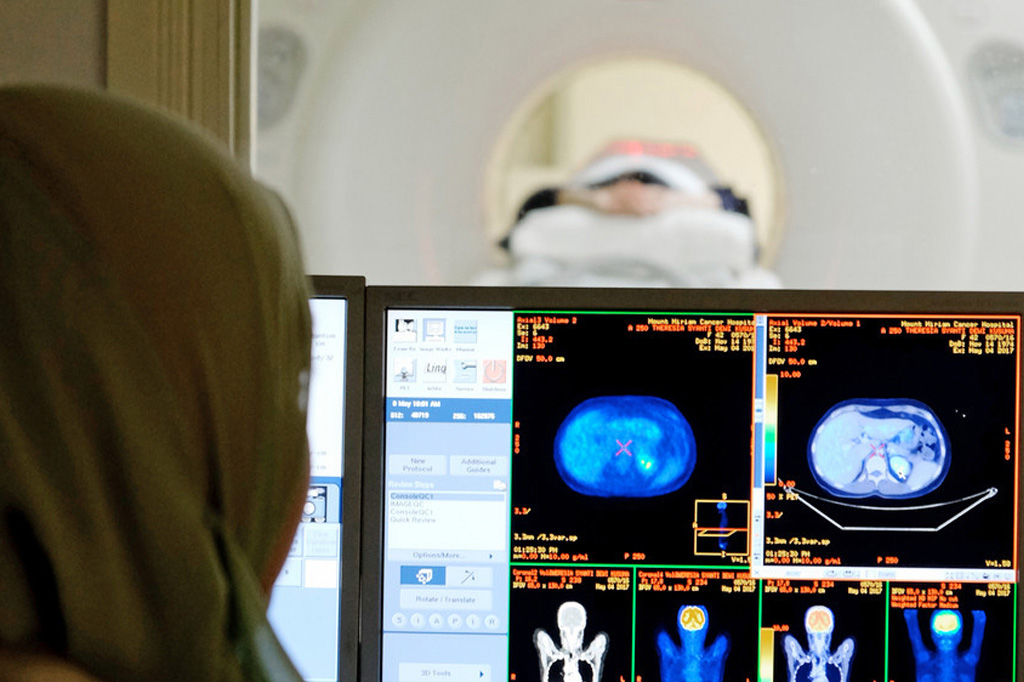
Image-Guided Radiation Therapy (IGRT) uses imaging around the time of treatment to help check the patient’s position and the location of the treatment area before radiation is delivered.
This allows the treatment team to compare the patient’s position with the treatment plan and make adjustments where necessary before proceeding with treatment.
Stereotactic Radiosurgery & Radiotherapy (SRS/SRT)
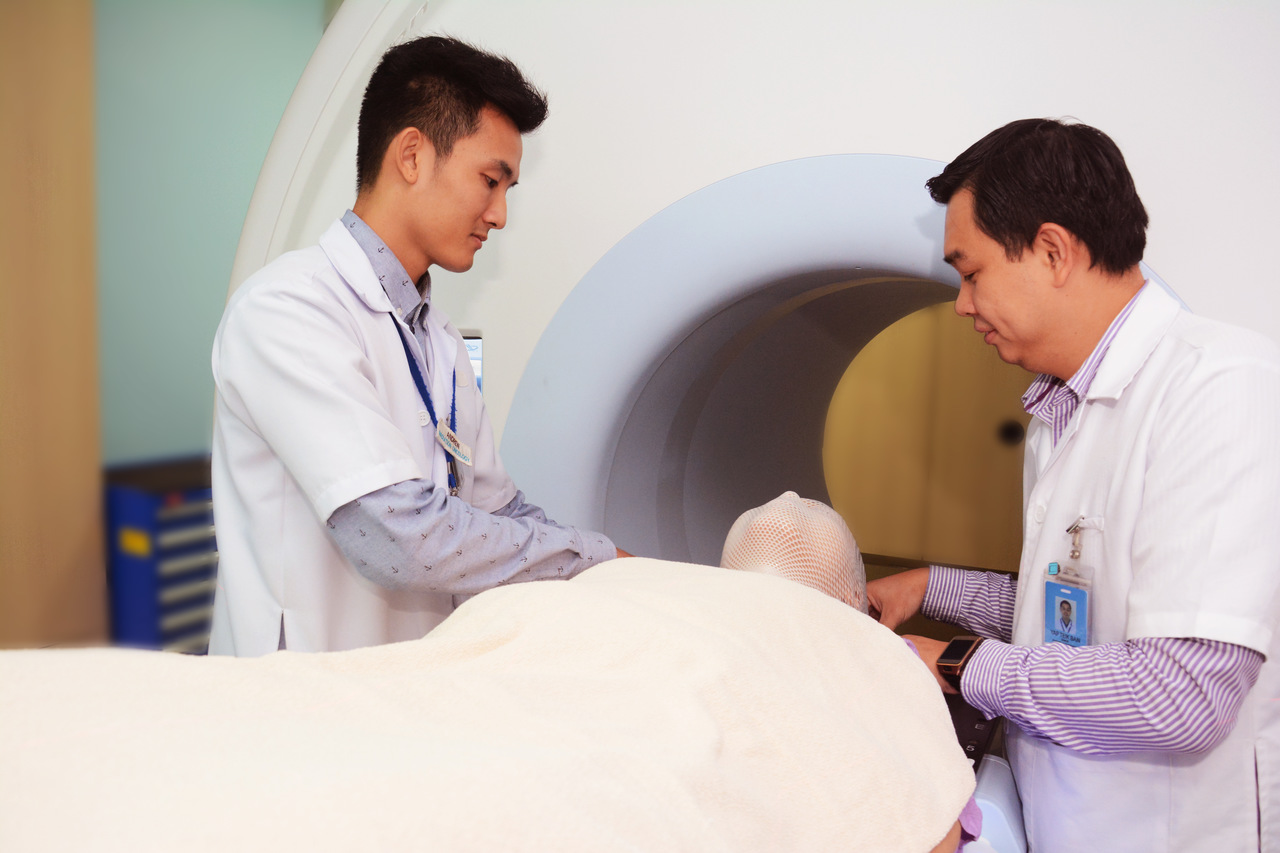
Stereotactic Radiosurgery (SRS) and Stereotactic Radiotherapy (SRT) are highly focused forms of radiation treatment that may be used for selected small treatment areas.
Advanced imaging and careful treatment planning are used to deliver radiation precisely to the intended target. Despite the word “surgery”, SRS does not involve an incision or surgical operation.
Tomotherapy
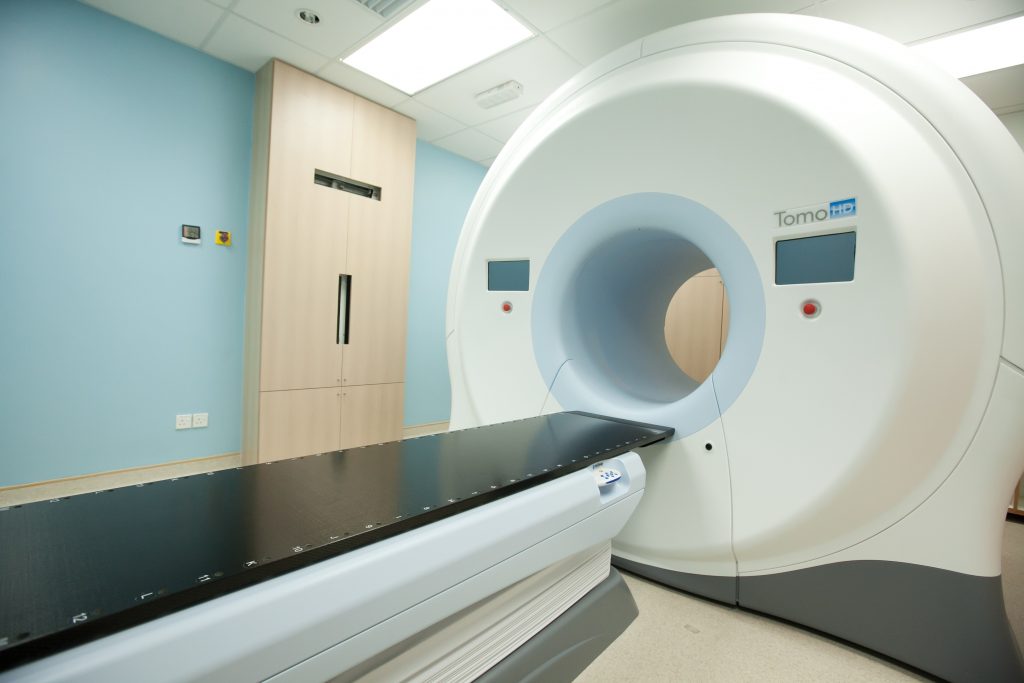
Tomotherapy combines image guidance with intensity-modulated radiation therapy in an integrated treatment system.
Imaging can be used to check the patient’s position before treatment, while radiation is delivered according to an individually developed treatment plan.
Tomotherapy may be considered for selected patients depending on the location and treatment requirements of the tumour.
CyberKnife Robotic Radiosurgery
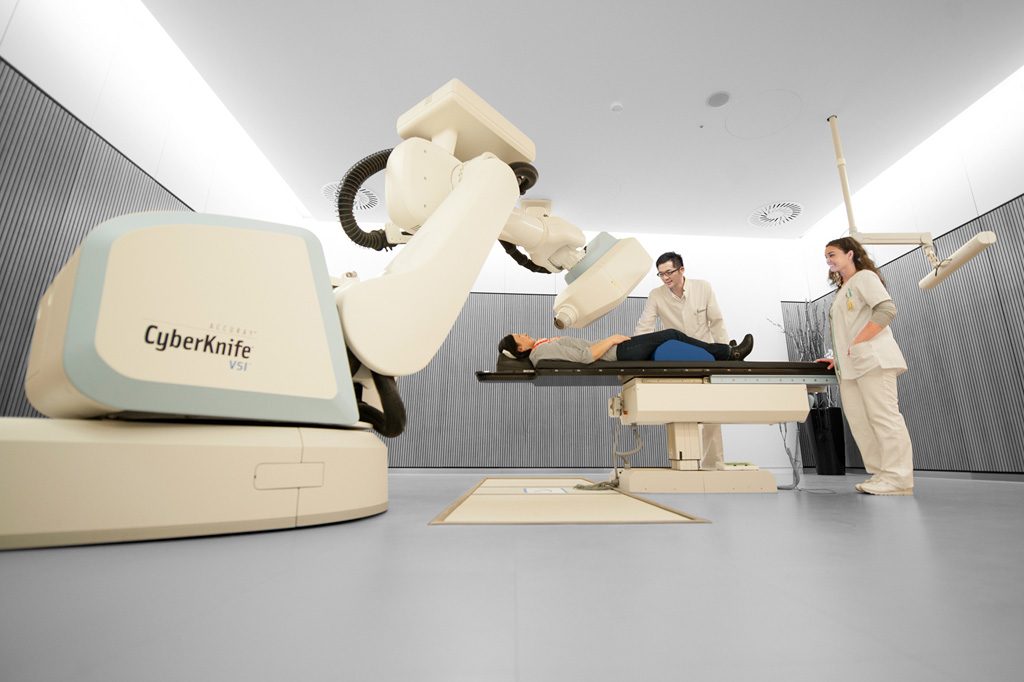
CyberKnife is a specialised form of radiation treatment that combines a linear accelerator, robotic technology and image guidance.
The system is designed to deliver highly focused radiation from multiple directions while monitoring the position of the treatment target.
Despite its name, CyberKnife does not involve cutting or an operation. It may be considered for selected tumours and conditions where highly focused radiation treatment is appropriate.
Brachytherapy
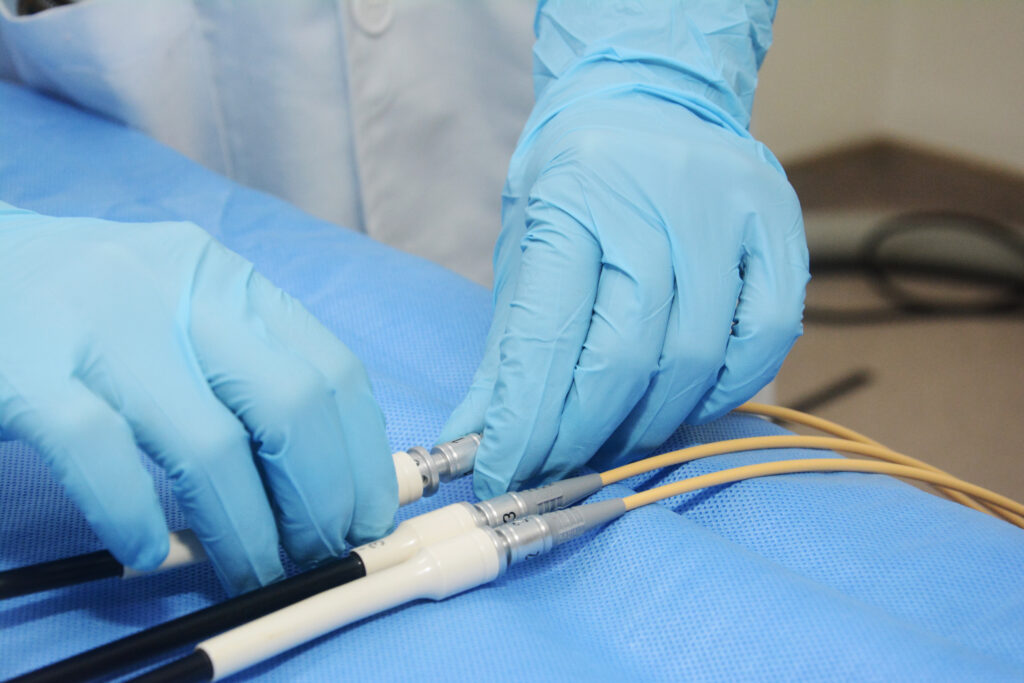
Brachytherapy is a form of radiotherapy in which a radioactive source is positioned inside or close to the area being treated.
This is different from external beam radiotherapy, where radiation is delivered from a machine outside the body.
Mount Miriam provides High Dose Rate (HDR) Brachytherapy for selected gynaecological cancers.
Frequently Asked Questions About Radiotherapy
Does radiotherapy hurt?
External beam radiotherapy itself is painless. You may need to remain still in a particular position while treatment is delivered. Some patients may develop treatment-related side effects during or after a course of radiotherapy, depending on the area being treated.
How long does a radiotherapy session take?
The time required varies according to the treatment being given and the imaging or positioning required. Many MMCH external-beam treatment descriptions indicate approximately 20–30 minutes, although some specialised treatments may take longer.
Your treatment team will advise you on the expected duration of your appointments.
How many radiotherapy sessions will I need?
There is no single treatment schedule for every patient. The number and frequency of sessions depend on your diagnosis, treatment objectives, radiation dose and the technique being used.
Your clinical oncologist will explain the treatment schedule recommended for you.
Will I be radioactive after external beam radiotherapy?
External beam radiotherapy delivers radiation from a machine outside your body and does not leave a radioactive source inside you.
Brachytherapy works differently. If brachytherapy forms part of your treatment, your clinical team will explain the procedure and any relevant precautions.
What is the difference between IMRT, IGRT, Tomotherapy and 3DCRT?
These terms describe different techniques and technologies used to plan, guide or deliver external beam radiotherapy.
They are not treatment options that patients are expected to select themselves. Your clinical team will determine the approach appropriate for your individual treatment plan.
Is CyberKnife a type of radiotherapy?
Yes. CyberKnife is a specialised radiation treatment system. Although its name contains the word “Knife”, treatment does not involve cutting or surgery.
Can radiotherapy be combined with other cancer treatments?
Radiotherapy may form part of a wider treatment plan that includes other forms of cancer treatment. Whether combination treatment is appropriate depends on the patient’s diagnosis and individual circumstances.
Your specialist will discuss this with you when planning your care.